Product Introduction
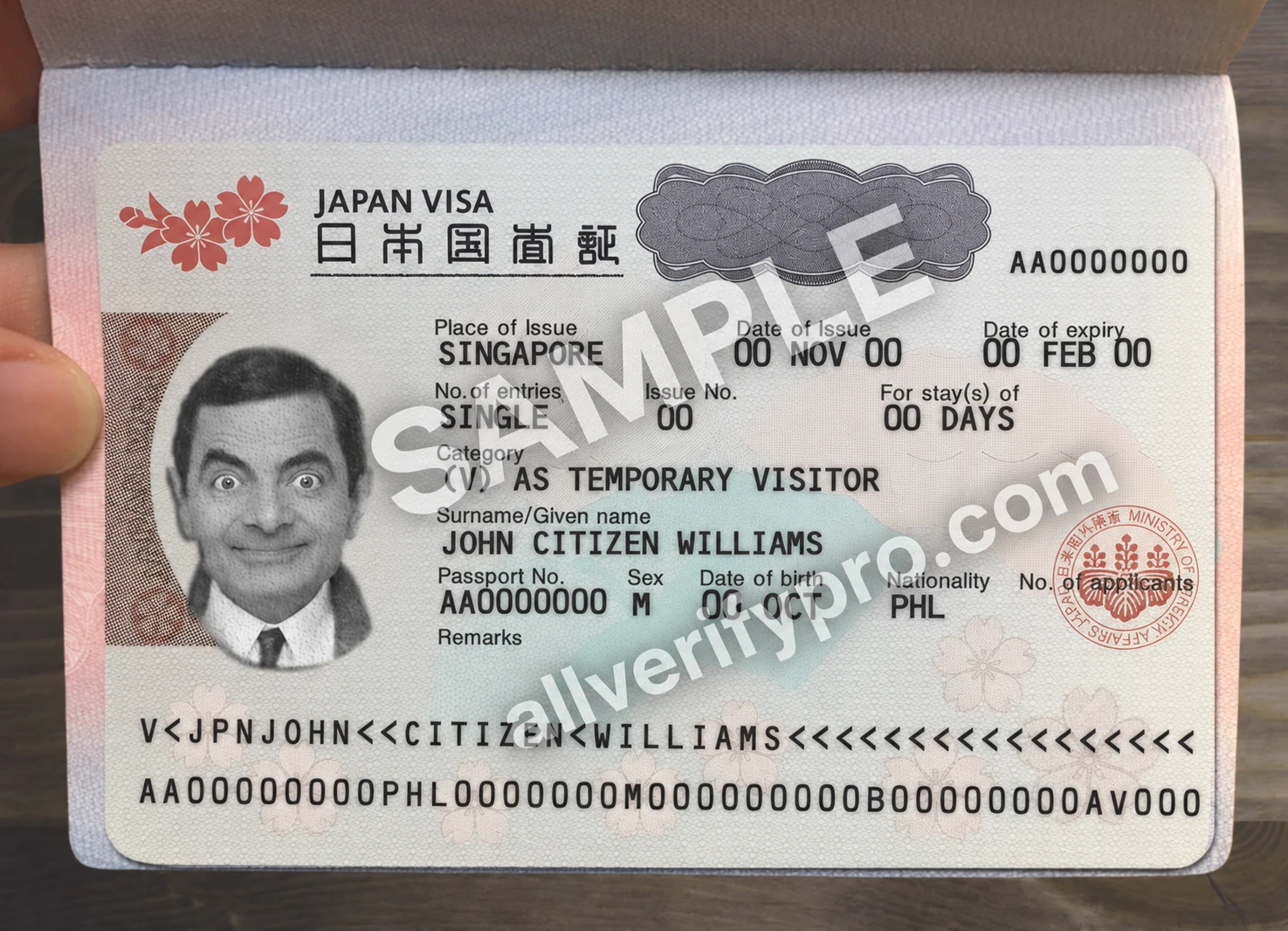
Japan’s immigration and departure procedures are managed by the Ministry of Justice and the regional immigration services agencies, based on the basic law, the “Immigration Control and Refugee-Recognition Act.” Chinese citizens entering Japan must hold a valid passport and visa and apply for entry at the port of entry. Upon entry, they should fill out an “Entry Card,” and the purpose of entry must be consistent with the type of visa. Entrants are obligated to provide personal biometric information (fingerprints and facial photographs); otherwise, they will be denied entry. Entrants should answer the questions asked by the immigration inspector carefully. Even if they hold a visa issued by a Japanese embassy or consulate in China, the immigration inspector has the authority to deny the person entry to Japan during the immigration inspection. Foreign nationals planning to reside continuously in Japan for more than 3 months must complete residence notification procedures at the immigration inspection department when entering Japan. Since July 9, 2012, Japan has issued “Residence Cards” to foreign nationals residing in Japan for the medium to long term. Applicants entering through Narita Airport, Haneda Airport, Chubu Airport, Kansai Airport, New Chitose Airport, Hiroshima Airport, or Fukuoka Airport can receive their “Residence Card” on the spot, while those entering through other airports (ports) must obtain it from the municipal government of their place of residence after entering Japan. After entering Japan, individuals must keep their passports and visas safe and legally engage in work or study strictly according to the status granted by the visa they hold. Long-term residents of Japan who leave Japan with a Residence Card and return to Japan within one year from the date of departure (before the expiration of their period of stay if it is less than one year) generally do not need to apply for a “Re-entry Permit.” Other persons must apply in advance to the immigration services agency in their area for a “Re-entry Permit.” If a re-entry permit has not been obtained, they will be unable to return to Japan smoothly. International students planning to work part-time locally in Japan to supplement their living expenses must apply in advance to the immigration services agency for “Permission to Engage in Activity Other Than That Permitted under the Status of Residence Previously Granted” before they may legally work part-time. If they work part-time without applying for permission to engage in an activity other than that permitted under their status of residence, they may be forcibly deported to their home country if discovered by the immigration services agency. If a foreign-national couple has a child in Japan, they must report it to the immigration services agency within 30 days; otherwise, they must leave Japan within 60 days. If they plan to continue working or studying in Japan, they must apply to extend their period of stay; if they marry a Japanese citizen, they must apply to change their status of residence; if their place of residence in Japan changes, they must report it to the local municipal government within 14 days. Regarding legal issues involving foreign nationals residing in Japan, you may consult the regional immigration services agencies in Japan directly.
Product previews
Open the preview images.